
Source: William Quiller Orchardson, Public domain, via Wikimedia Commons
Inquiry Question: How do we assess historical significance?
Jumping Ahead 100 Years…

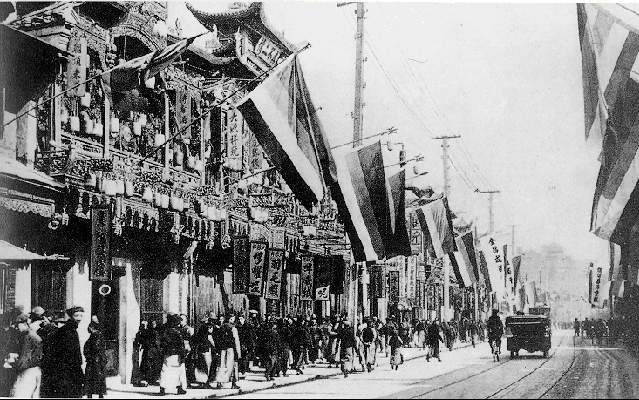
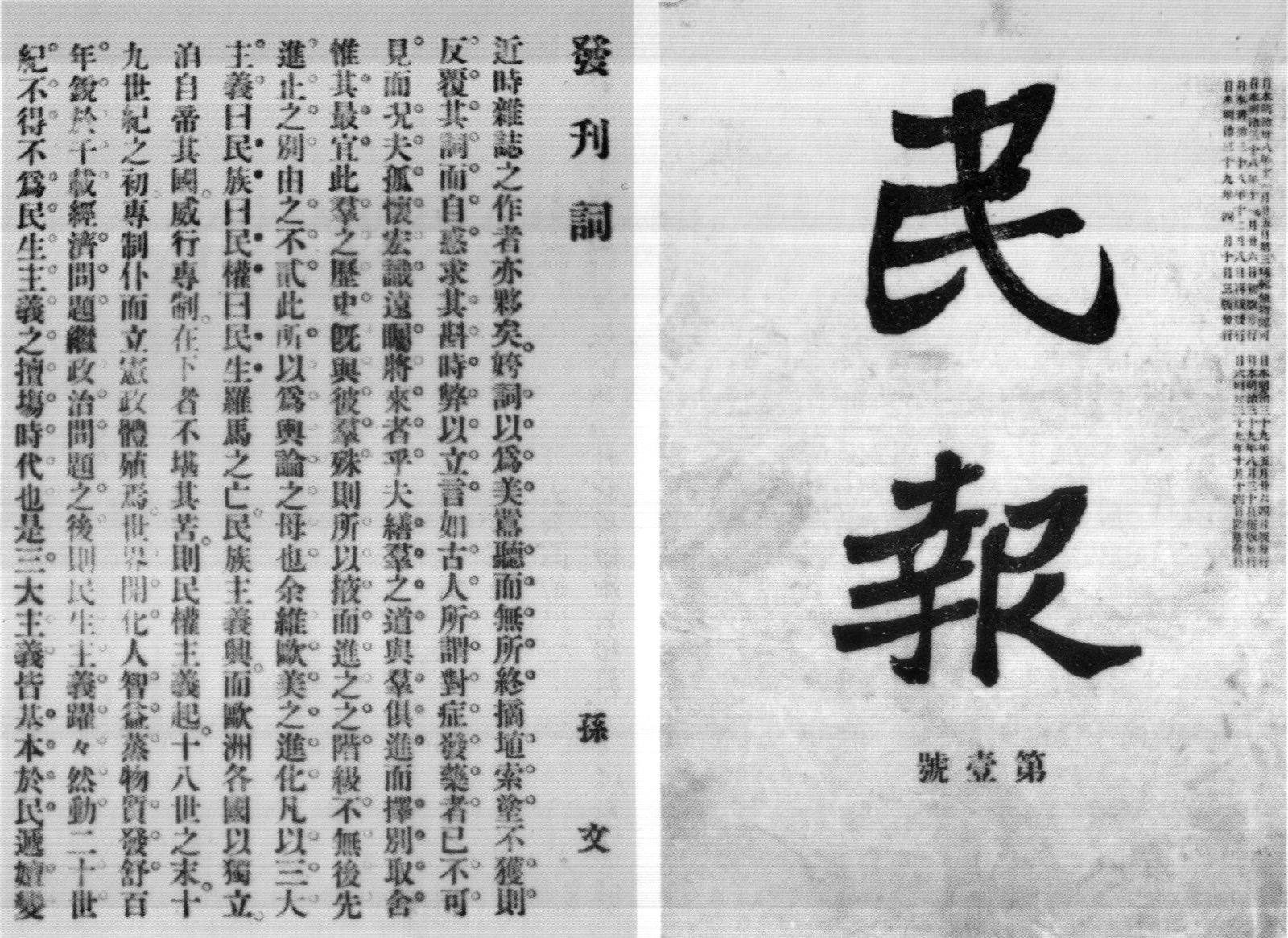
In 1911 a revolution erupted in China. For centuries, it had been ruled by dynastic monarchies and by an emperor claiming to hold a “mandate of heaven” to govern the people of China. In the decades before the Xinhai Revolution, a Chinese physician named Sun Yat-Sen (孙逸仙), penned the “Three principles of the People” (三民主义) outlining his vision for a modern China. These are outlined below;
- Nationalism (民族主義) – The country is a community of people, the nation. They must be united together.
- Democracy or rights of the people (民權主義) – The government represents the will of the people, in contrast to the dynastic rule of the Qing emperors.
- Welfare of the people (民生主義) – The people must be taken care of and treated justly.
Could the Revolution in China have occurred without the French Revolution over 100 years earlier? That’s the question of history.
 CISH Modern History